01
Source
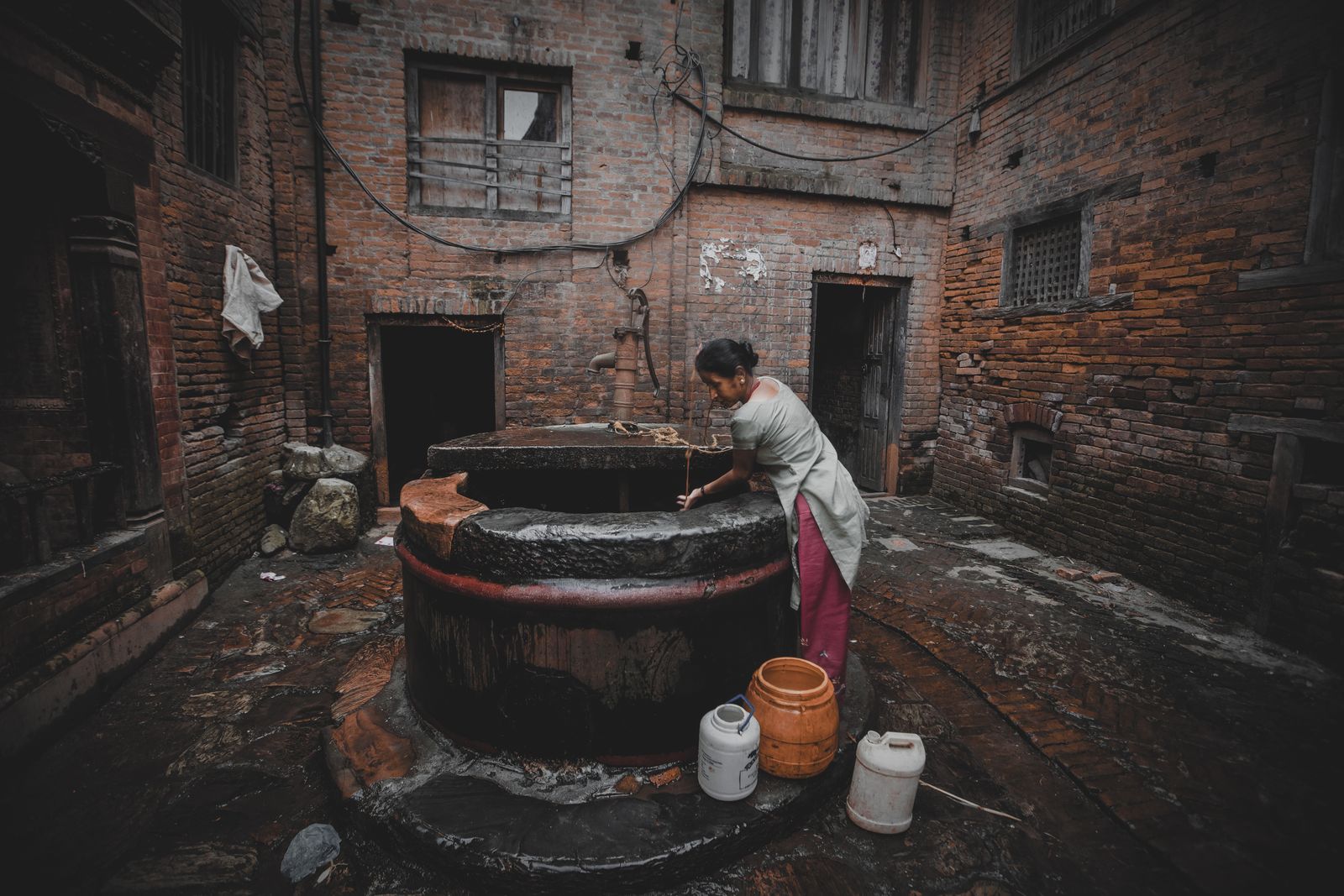
Geo-hydrological survey, community consent, and a handpump or borewell placed within 200 metres of every home.
Program · Water
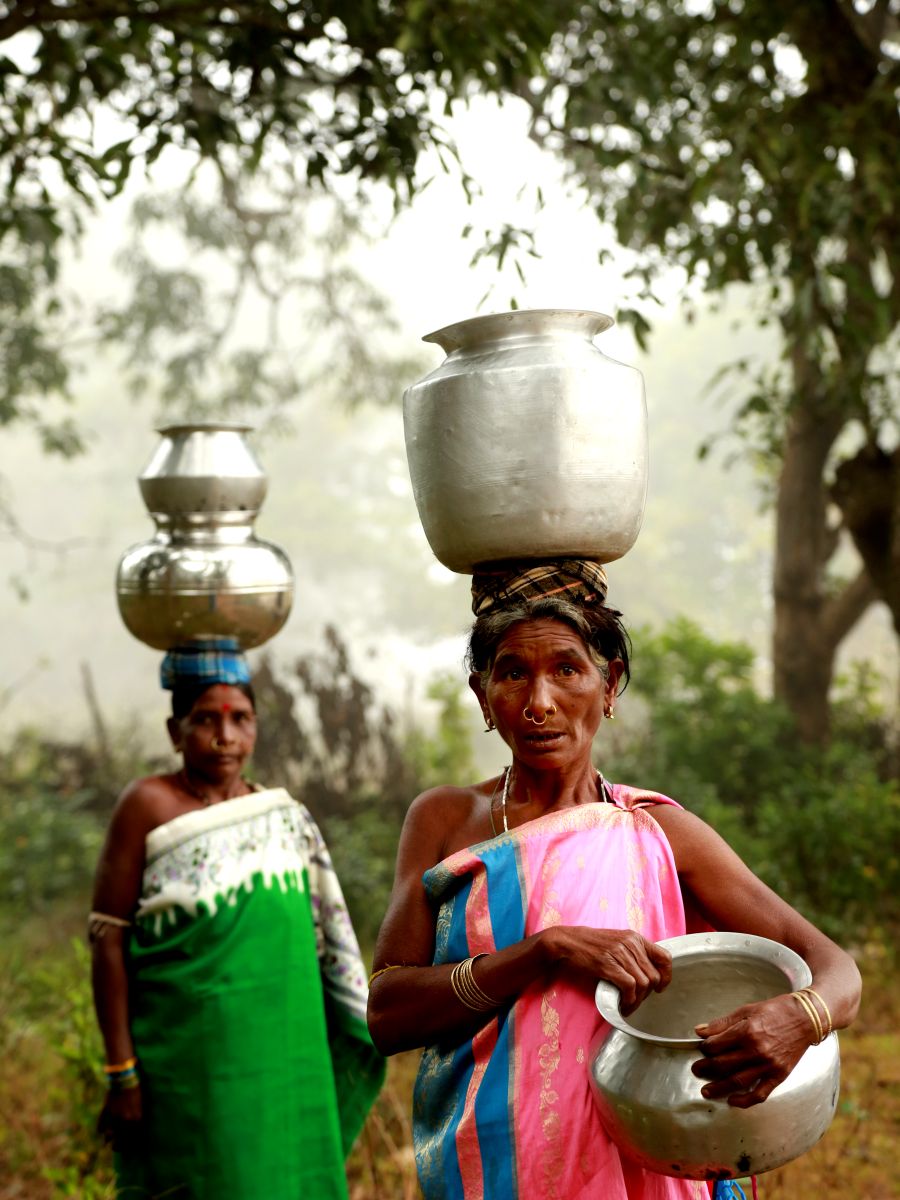
A pot filled before sunrise. A day returned to school.
The problem
63% of rural Telangana households still fetch water from sources more than 500 metres away. Girls miss school. Mothers lose earning hours. Waterborne illness costs a family ₹18,000 a year.
Our approach
Geo-hydrological survey, community consent, and a handpump or borewell placed within 200 metres of every home.
Rooftop rainwater harvesting tanks that hold 5,000 litres — enough to bridge the dry months of April and May.
Twin-pit household toilets built with the family, and monthly hygiene circles led by trained village women.
Every asset handed over to a Village Water Committee — 60% women — trained to maintain and repair for 10 years.
From the field
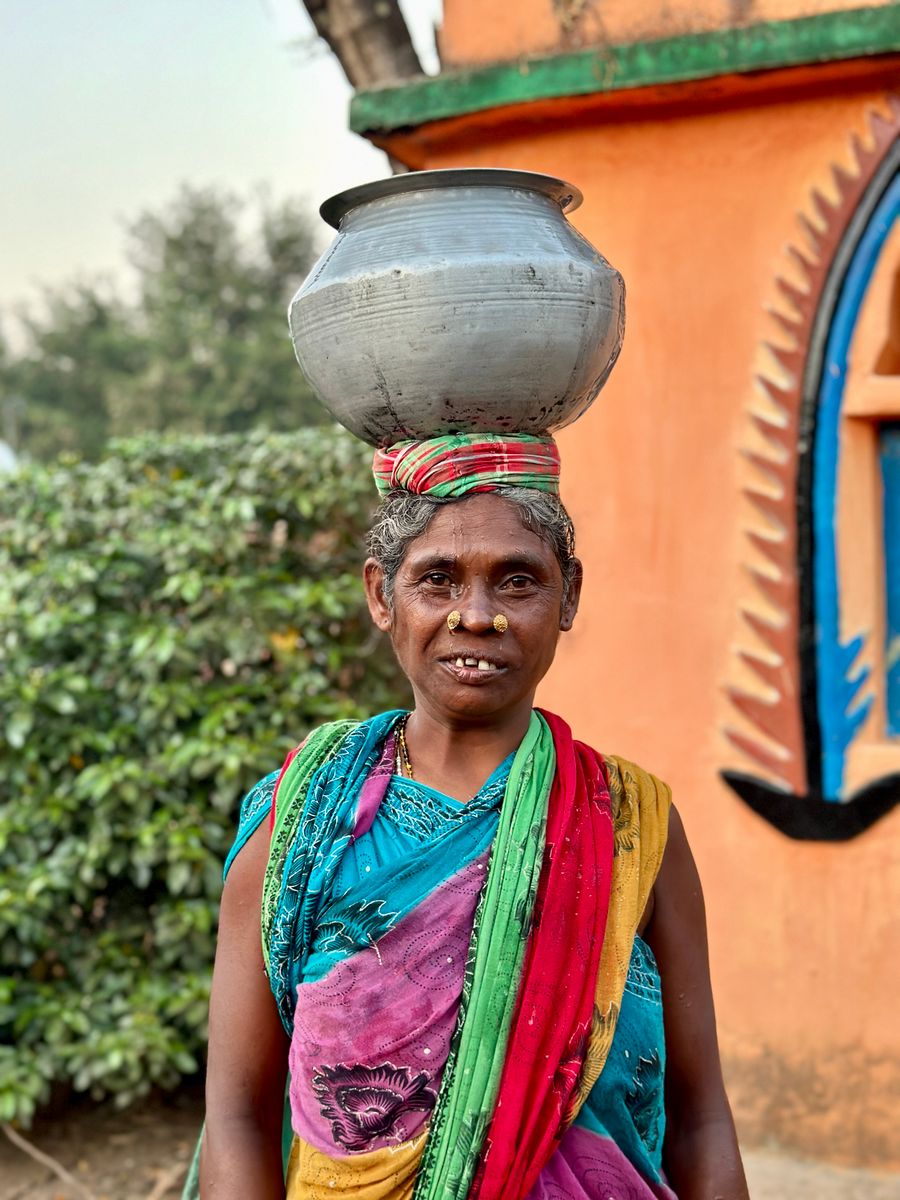
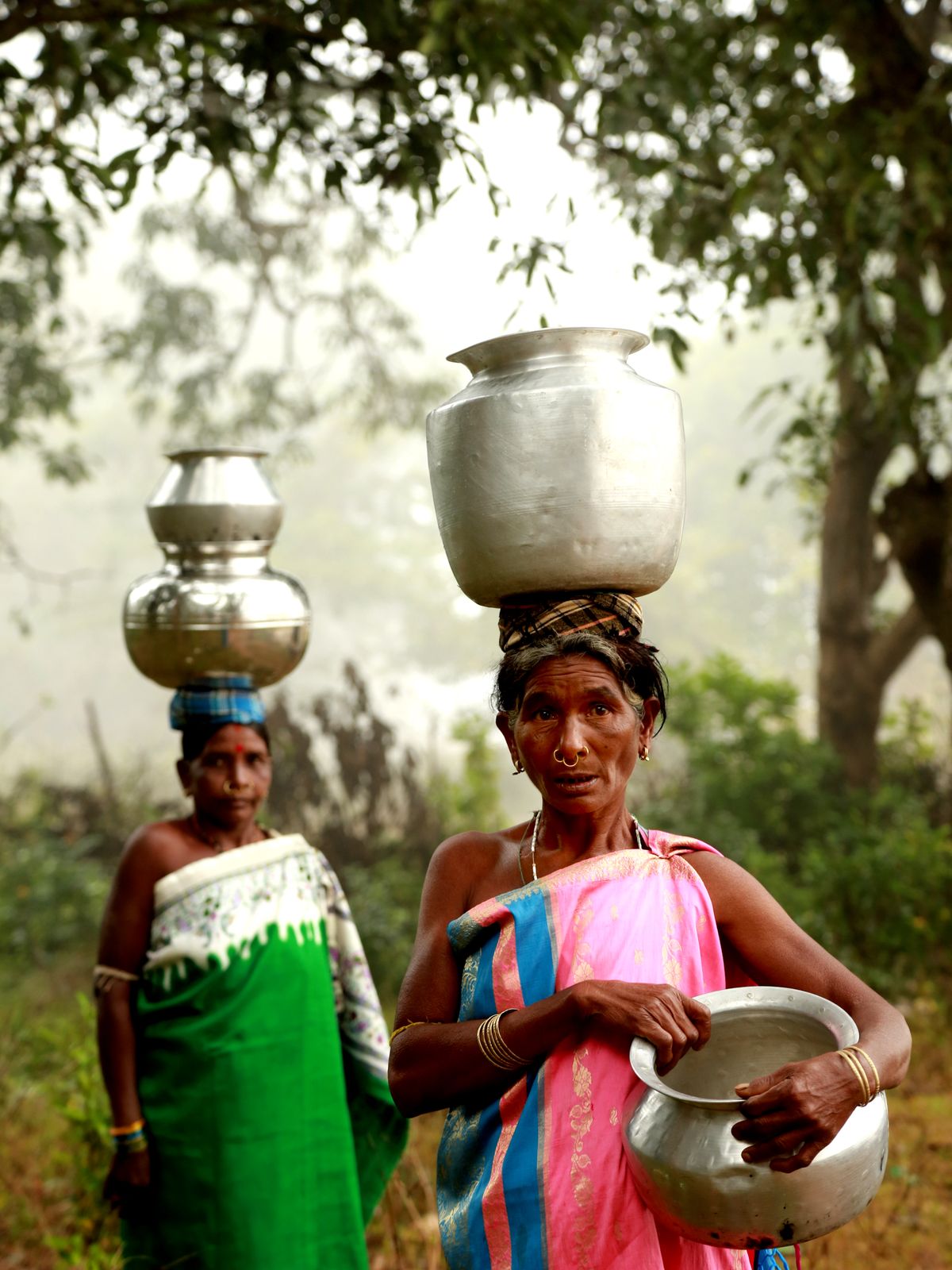
A life changed
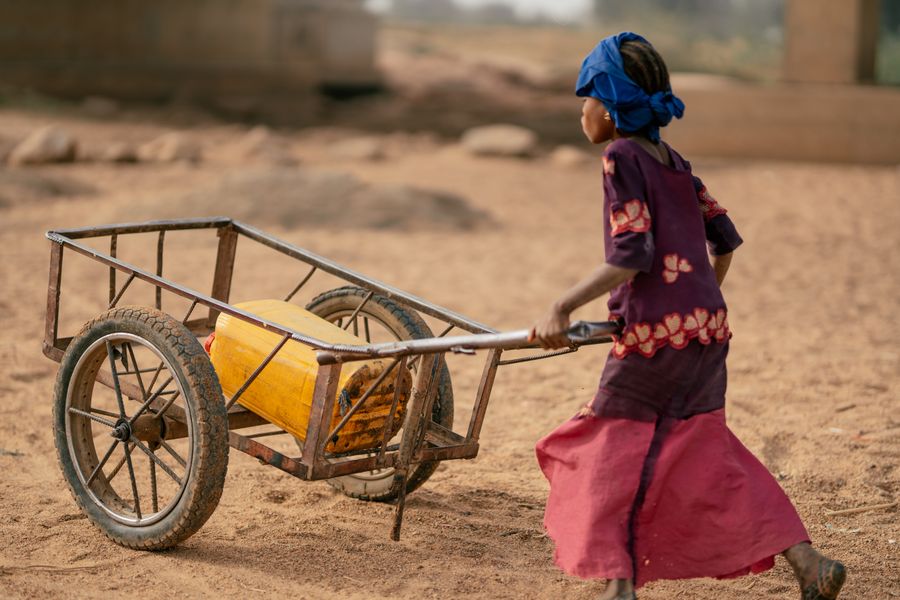
"My daughter now leaves for school at 8, not at 5."
Lakshmi walked 4 km each morning for water. When Ujjwala's handpump was commissioned 80 metres from her door, her twelve-year-old Ananya returned to school full-time. Ananya wants to be a doctor.
— Lakshmi Devi, Kondapur village, Nalgonda
Support Water
Every rupee is 80G tax-exempt. 84 paise of every ₹1 reaches the field.
Questions
A public geo-hydrological survey, followed by a gram sabha where the community votes on placement. We build only where the community commits to a Water Committee.
A 10-year maintenance MOU is signed with the panchayat. Two women from every village are trained as pump-mechanics.
Yes. ₹45,000 sponsors a borewell for 60 families with a permanent stone plaque you help design.
The Circle continues
Your contribution to Water & Sanitation is tax-exempt under section 80G of the Income Tax Act.